Discover Kibale's Rainforest Magic
Kibale National Park is Uganda's premier primate destination, protecting a magnificent 795 square kilometers of tropical rainforest. Known as the "Primate Capital of the World," Kibale boasts the highest density and diversity of primates in all of Africa — an astounding 13 species call this forest home.
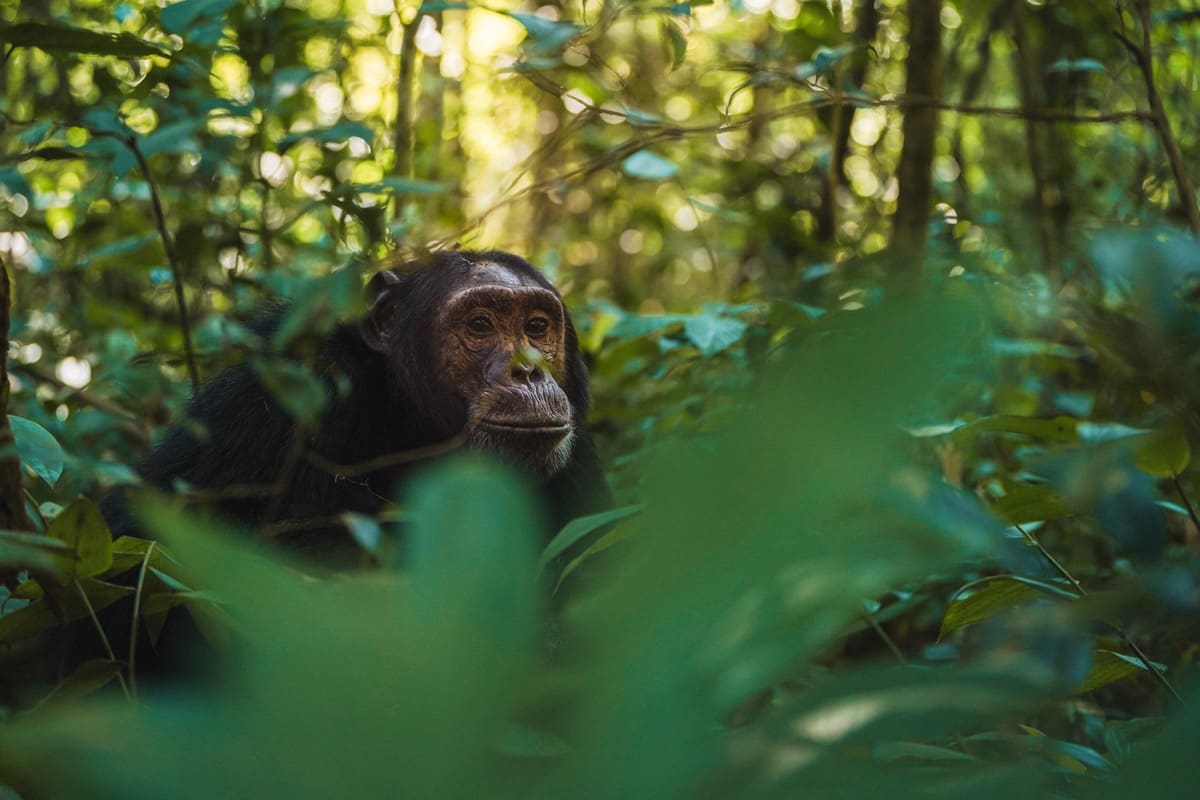
The park's star attraction is chimpanzee trekking — Kibale is home to approximately 1,500 chimpanzees, with several habituated groups available for tracking. The chimpanzee habituation experience allows you to spend an entire morning with semi-habituated chimps as they wake, feed, and begin their daily activities.
Beyond primates, Kibale's lush rainforest harbors over 375 bird species, 250 species of butterflies, and stunning flora including ancient trees, ferns, and orchids. The nearby Bigodi Wetland Sanctuary adds another dimension with incredible birding and community-led conservation.
Chimpanzee Experiences
Two incredible ways to encounter our closest relatives
Standard Chimpanzee Trekking
A 2-3 hour trek through the forest followed by one unforgettable hour with a habituated chimpanzee group. Watch them feed, groom, play, and interact in their natural habitat. Available year-round with morning and afternoon sessions.
Chimpanzee Habituation Experience
A full morning (4-6 hours) with semi-habituated chimpanzees. Join researchers as they accustom chimps to human presence — from their nesting sites at dawn through their daily routines. The ultimate primate experience for serious wildlife enthusiasts.
Primate Species in Kibale
Chimpanzees
Approximately 1,500 individuals with several habituated groups. Our closest living relatives share 98.8% of our DNA — watching them is like looking into a mirror of our own evolution.
Red Colobus Monkeys
One of Africa's most threatened primate species, Kibale protects a significant population of these striking monkeys with their reddish-brown fur.
L'Hoest's Monkeys
A beautiful guenon species with a dark coat and distinctive white beard — found primarily in the Albertine Rift and easily spotted in Kibale.
Other Primates
Black-and-white colobus, blue monkeys, red-tailed monkeys, grey-cheeked mangabeys, olive baboons, vervets, pottos, and bushbabies complete the primate checklist.
Beyond Chimpanzees
More wonders in and around Kibale
Bird Watching
375 species including the green-breasted pitta, African grey parrot, great blue turaco, and 6 Albertine Rift endemics
Bigodi Wetland Sanctuary
Community-run wetland boardwalk offering incredible birding, sitatunga antelopes, monkeys, and otters — a must-visit addition
Butterflies
Over 250 species of colorful butterflies flutter through the forest, especially during rainy seasons
Night Walks
Guided nocturnal walks to spot bushbabies, pottos, civets, and nocturnal birds in their active hours
Best Time to Visit Kibale
Kibale's rainforest climate means chimpanzee trekking is possible year-round, but the best time is during the drier months: June to September and December to February. Trails are less slippery, and chimpanzees stay within easier walking distance of park headquarters.
The wet seasons (March-May and October-November) offer lush vegetation, spectacular birding, and lower lodge rates. Chimpanzee sightings remain excellent, but be prepared for muddy trails and pack waterproof gear.
Unlike gorilla permits, chimpanzee permits are easier to obtain, but booking 2-3 months in advance is recommended, especially for the habituation experience (limited to just 4 people per day).
Month-by-Month Guide
Kibale Safari Packages
Chimpanzee trekking and primate-focused itineraries
7 Days Primates and Wildlife Safari
Experience the very best of western Uganda on this 7 day journey that combines chimpanzee trekking, ...
View Details10 Days Best of Uganda Safari
This is the ultimate Ugandan safari – 10 days covering every major highlight from rhinos to gorill...
View Details12 Day Birding Safari
This 12 day Uganda Birding Safari is designed for serious birders seeking maximum diversity across t...
View DetailsFrequently Asked Questions
Everything you need to know about chimpanzee trekking in Kibale
What's the difference between chimp trekking and habituation?
Standard trekking: 2-3 hour trek + 1 hour with fully habituated chimps ($250). Habituation: Full 4-6 hour experience joining researchers with semi-habituated chimps from dawn ($300, limited to 4 people daily). The habituation offers a much deeper, unhurried experience.
How fit do I need to be for chimp trekking?
Moderate fitness is recommended. Chimpanzees can move quickly through the forest, and terrain can be steep and muddy. Regular walking practice before your trip will enhance your experience.
What's the age limit for chimp trekking?
Minimum age is 12 years for standard trekking and 15 years for the habituation experience. This is strictly enforced to protect both chimpanzees and younger visitors.
How likely am I to see chimpanzees?
Success rate is over 90% for standard trekking and nearly 100% for the habituation experience. Kibale offers the most reliable chimpanzee sightings in East Africa.
What should I pack for Kibale?
Sturdy waterproof hiking boots, long-sleeved shirts, long trousers (neutral colors), rain jacket, insect repellent, sunscreen, hat, gloves, and a daypack for water and snacks.
Can I combine Kibale with other parks?
Absolutely! Kibale is perfectly positioned near Queen Elizabeth National Park (2-3 hours), Semuliki (1 hour), and Rwenzori Mountains. Many itineraries combine chimpanzee trekking with gorilla trekking in Bwindi (5-6 hours).
Ready to Trek with Our Primate Cousins?
Book your chimpanzee trekking adventure in Kibale National Park with Enshama Safaris